
It’s hard to believe that it’s been a year already since I started at Massey and began working on this project fulltime. Recently I had to complete an annual report, which provides a nice opportunity to reflect on what I have been doing. Here are the highlights:
Transforming the way we think about economies
- Finished off and submitted Caring for Life: A postdevelopment politics of infant hygiene. It’s now in production with University of Minnesota Press and will be available by the end of the 2023. While infant hygiene might not seem related to economies, the book develops an approach to studying places built on pluriversal thinking. Nappy-free hygiene practices in the Global South are understood as important innovations for Global North communities who need to rethink their resource use.
- Finished off an submitted Introducing Human Geographies, 4th edition, co-edited with Paul Cloke, Mark Goodwin, Junxi Qian and Andy Williams. This global textbook is in production with Routledge, and was a complete revision and redesign of the text that included a diverse range of authors from all over the world. I worked particularly on the ‘Collaborations’ section, which envisions the next generation of geographic education and research.
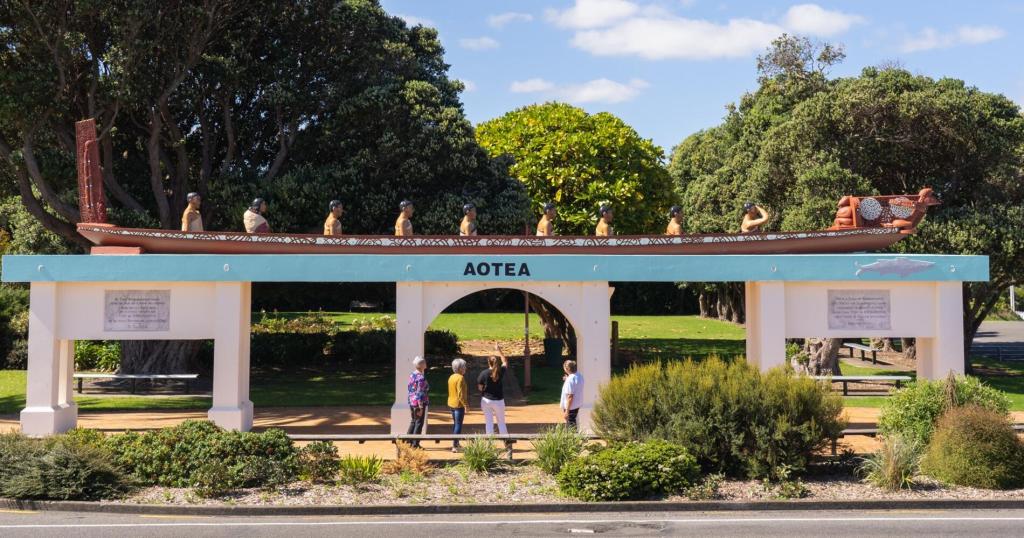
- Taught the Aotearoa node of the intensive winter school Researching Postcapitalist Possibilities. PhD and early career scholars from NZ and Australia converged on Palmerston North for 10 days of immersive learning in poststructural action research, community economies, and researching with postcapitalist possibilities in mind.
Inventorying diverse economies with postcapitalist potential
- I have spent time in the field researching transition projects in Wellington, including with Te Hiko Centre for Community Innovation in Porirua.
- I have begun collaborating with the Wellbeing Economy Alliance, including Gareth Hughes’ listening tour, and the WEALL Economy for Public Good conference. In each of these I learn about new and old projects all over Aotearoa.
- I have begun collaborating with the Global Tapestry of Alternatives, although I had to cancel a planned trip to their Global Congress in Kenya. This group is an alliance of transition groups form all over the world, with leadership from the Global South.
Case studies of transition
- The in-depth case studies have emerged from partnered work from my Building Better Homes, Towns and Cities work.
- We have completed in-depth case studies of composting and organic waste initiatives, which we published this year.
- We have completed an in-depth report on the wellbeing outcomes of the work of Life in Vacant Spaces in a post-disaster context in Ōtautahi Christchurch.
- Did some experimental work with a quantitative version of a Community Economy Return on Investment tool, with the help of a wonderful intern from Norway. We will continue to work on developing this in both quantiative and qualitative versions as part of this research programme.
- I have begun a new case study of Christian and post-Christian postcapitalist subjectivities and activism, with ethics approval, a book contract and co-author all lined up!
Key findings in 2023
- Communities are already investing in transition to postcapitalist and caring economies and there is extensive innovation that is not yet present in the literature. Part of the issue is that social innovation is not always recognised, particularly if it is done in marginalised and low-income groups, regions or nations.
- Global interconnections are being made, particularly between networks in the Global South, that have well-developed bottom-up theories of economic change.
- Subjectivities (or sense of self as an actor) play a role in community investment – we have found this in particular with alternative waste infrastructure that contributes to more circular community economies.
- New metrics are needed and desired by community organisations who want to represent the transformative work they do outside of monetary frameworks.


 Researching Postcapitalist Possibilities
Leave a comment